

Digital gaming often feels robotic, a space where the point is just the next win. For gamers in the UK, something distinct has arrived. The Zeppelin Crash Game is more than a new crash game. It blends high-stakes play with a story that actually resonates. This platform understands something important: people remain for the feeling, not just the rush of the multiplier. From its detailed steampunk look to the touching story of its hero, Captain Alistair Finch, the game creates layers of meaning around its betting core. It pulls you into a world where each climb feels meaningful, and the shared anticipation of the players feeds into a larger narrative. If you’re in the UK and want more than a simple bet, this is it. Here, interactive entertainment discovers a pulse, mixing smart strategy with a genuine link that fits a market known for appreciating both good tech and a good tale.
The future of Narrative-Driven Gaming
The increasing appeal of games like Zeppelin Crash signals a shift in online gaming. It’s a leading example of how deep stories and character can fit into genres usually dominated by mechanics alone. This establishes a new benchmark. It shows that players, especially in mature markets like the UK, desire stories and worlds they can connect with emotionally. The scope for development is vast. Consider new chapters for Captain Finch, different airships with their own histories, or seasonal plots that change the game world over time. This approach suggests a future where gaming platforms are also storytellers, offering long-running sagas that players can engage with for years. So the Zeppelin Crash Game isn’t just a single title. It’s a functional model for a deeper kind of interactive entertainment, where every bet is part of a much bigger picture.
A Closer Look at the Zeppelin’s Unique Mechanics
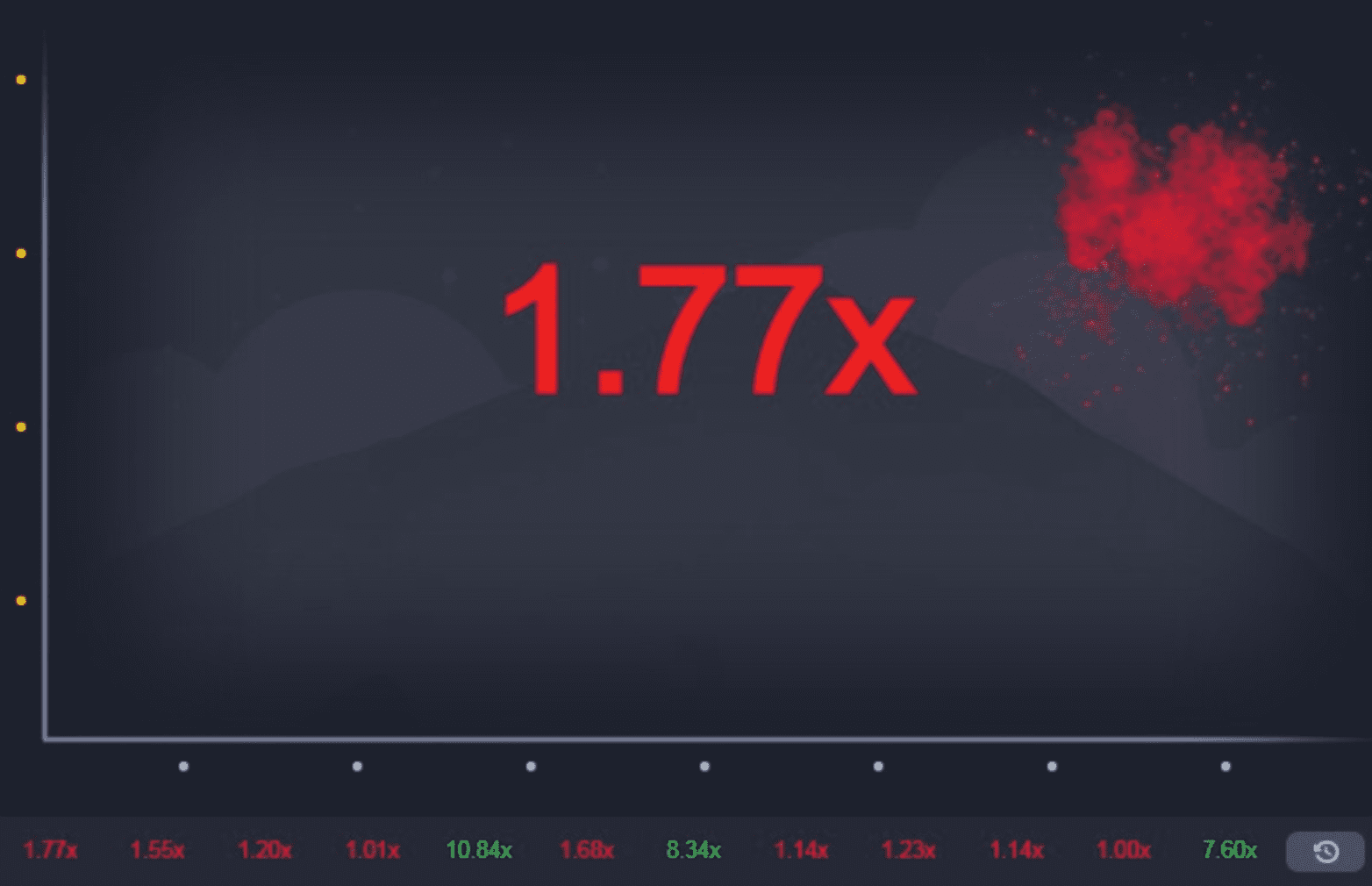
The Zeppelin Crash Game operates on the classic crash model, but it reinvigorates it with mood and a measure of control. You set your bet before the airship, a beautiful craft of brass and steam, begins its ascent. The multiplier rises with the Zeppelin’s height. Your job is to collect and secure your winnings before a theoretical crash occurs. The game’s smart move is integrating this mechanic into a living world. The climb isn’t just a sterile number rising. It’s a spectacle for the eyes and ears, with engines straining and clouds gliding over a pixel-perfect British Isles. The auto-cashout feature is more than a convenient option. It serves as a narrative co-pilot, allowing you plan your play while you immerse yourself in the drama. This blend converts a simple click into a moment of real tension. The analytical work of assessing risk becomes like part of navigating the Zeppelin’s own destiny.
The Core of the Tale: Captain Alistair Finch
All aspects of the game connect to Captain Alistair Finch. He gives the experience its emotional weight. He is no empty character. He’s a complex character, a trailblazing pilot haunted by a past catastrophe, always striving to reclaim what he lost. This narrative, which you rarely find in other games, provides a genuine motive for the Zeppelin’s perpetual flights. Every round unfolds as another part of his journey, a battle against adversity that you personally influence. This narrative approach transforms your position. You stop being just someone placing a bet. You become part of Finch’s crew. His grit, shown in the game’s art and small story beats, evokes a form of quintessential British perseverance. That connection fosters a peculiar attachment. Cashing out isn’t only about locking in profit. It feels like helping the Captain steer through danger, adding a layer of emotional investment right alongside the financial one. It works, and it’s unexpectedly compelling.
The Steampunk Aesthetic: A Masterful Visual Creation
Launching the Zeppelin Crash Game is like unfolding an intricate Jules Verne novel, adapted for your monitor. The steampunk style isn’t merely a superficial layer. It’s woven into the game’s fabric, crafted with a precision that will captivate any design-conscious UK player. The user interface is a marvel of simulated brass, lacquered wood, and intricate gauges with quivering needles. The Zeppelin exudes its own identity. Its outer shell tenses, its engines let out realistic puffs of steam as the numbers rise. The setting merits extra praise. It regularly presents forms reminiscent of English mill towns or steep coastal bluffs, planting the fantasy in a landscape that feels almost familiar. This design harmony transcends simple visual appeal. It pulls you deeper in, making the universe feel concrete and believable. Every gear, every beam of light through a porthole, reinforces the narrative of innovation and exploration. The game’s visuals lingers in your mind as much as its gameplay.

Building a Following Around the Voyage
One of the Zeppelin Crash Game’s understated strengths is the way it creates a true community, a feature many virtual games overlook. Every flight is a collective event. Players depart together, observe the identical ascent, and feel a collective wince or shout at the cash-out or the crash. This shared moment forms instant common ground. Across the UK, forums and social channels buzz with talk. People talk about multiplier trends and tactics, sure. But they also chat about Captain Finch’s backstory, the most recent tweaks to the airship’s design, and sharing stories of spectacular near-misses. This turns the game from a individual activity into a communal hobby. The evolving narrative provides everyone a topic to talk about, a serialised tale they enjoy as a group. This community side is vital. It encourages people returning long after a individual bet is resolved, developing a loyal audience that values the world developing as much as their own wins within it.
Safe Play as a Core Principle
Any discussion about gaming with real money must emphasize responsible play. The Zeppelin Crash Game shows its commitment right here. The platform bakes safe gambling principles into its fundamental design; it’s not a minor detail. The tools for players are clear and readily accessible. You can adjust deposit limits, take a break, or utilize self-exclusion options without trouble. These aren’t portrayed as barriers. They are features that grant you authority over your own session. The game’s engaging appeal makes this even more important. The compelling tale and exciting mechanics should be enjoyable within clear personal limits. For the UK market, which works under strict rules, this focus aligns with national standards and what players look for. It guarantees the heart of the game—the journey and the community—can be appreciated in a sustainable way. Player safety is the cornerstone, and the entertainment is built on top of it.
Strategic Gameplay in a Evolving Environment
The theme and looks provide the game with its character, but the zeppelin crash gaming Crash Game requires a sharp mind. To excel in its skies, you need more than random chance. You need to consider risk, odds, and what you’re personally at ease with losing. The game encourages a strategic culture. You must decide not just *if* you’ll cash out, but the precise moment to do it. The auto-cashout function is a key tool here. It lets you follow a planned strategy even when the climb turns nerve-wracking. On top of that, you see other players’ bets and cash-out points live. This introduces a layer of crowd psychology, like gauging the mood in a physical betting shop. The environment shifts constantly, where your own plan meets the group’s behaviour. For UK players who like to analyse, this is a rich playground. You can develop and test theories, making each session a lesson in patterns, timing, and staying calm inside a stunning visual frame.


